
.svg)
How GST Transformed the Indian Manufacturing Sector?
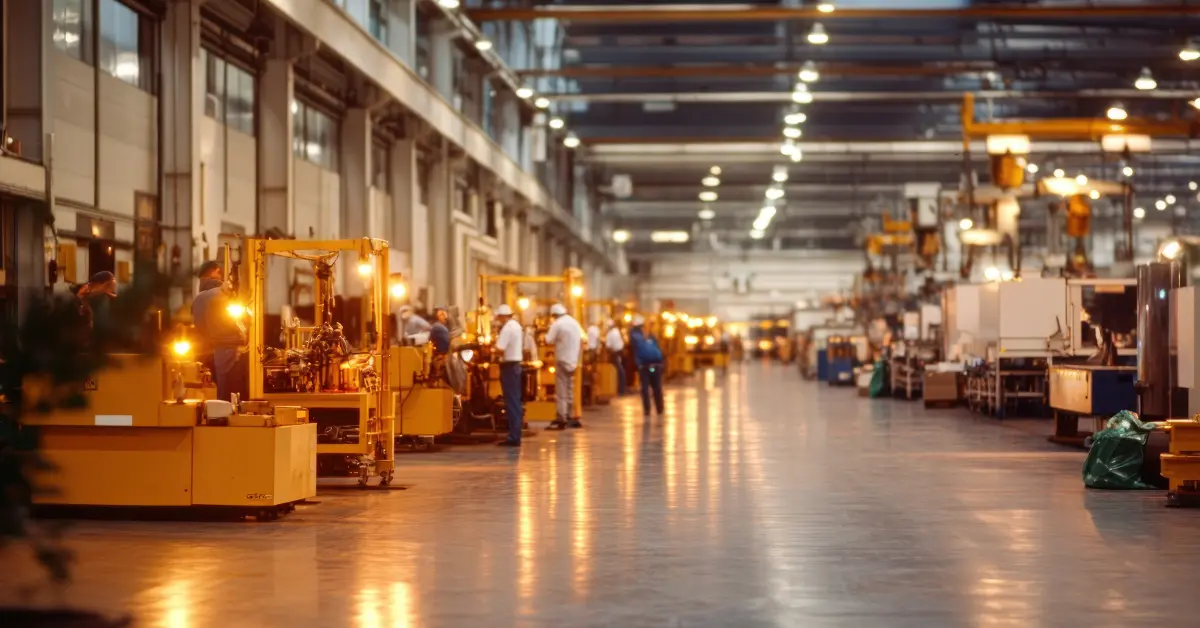
The introduction of the Goods and Services Tax (GST) transformed the tax landscape in India. Since its rollout in 2017, this unified indirect tax system has reshaped how businesses, especially manufacturers, operate in the country. By replacing a tangled web of multiple taxes with one streamlined regime, GST has made manufacturing more cost-effective, transparent, and growth-oriented.
Let’s explore how GST has revolutionised manufacturing in India and why it is often called a game changer for the sector.
What exactly is GST?
GST stands for Goods and Services Tax, a comprehensive tax levied on the supply of most goods and services across India. It replaced several indirect taxes that existed earlier, such as Excise Duty, Value Added Tax (VAT), Service Tax, and Central Sales Tax (CST). This reform aimed to simplify taxation and create a Single National Market where manufacturers can function with consistency and predictability across states.
How GST Benefits Manufacturers
1. Unified Tax Structure Means Simpler Compliance
Before GST, manufacturers had to deal with different tax laws in every state, navigate varying returns, and handle a range of tax departments. GST replaced all those with a single tax framework and one digital portal, making registration, return filing, and payments much easier and less time-consuming. This has significantly cut down administrative workload for businesses.
2. Lower Production Costs Through Input Tax Credit (ITC)
One of the biggest advantages of GST for manufacturers is the Input Tax Credit (ITC) system. Under GST, producers can claim credits for the tax they’ve already paid on raw materials, components, and services. This means a manufacturer does not pay tax repeatedly on the same value only on the additional value created at each stage of production.
By eliminating the old “tax-on-tax” effect, GST helps reduce overall production costs, making Indian goods more competitively priced both domestically and internationally.
3. Smoother Movement of Goods Across States
GST brought an end to state entry taxes and checkpoints that used to slow down transport of goods. Previously, interstate movement often came with delays and extra charges. Now, products can transit quickly across borders thanks to GST’s unified structure and tools like e-way bills. This streamlines supply chains and boosts efficiency.
4. Enhanced Cash Flow and Faster Tax Refunds
Prior tax systems made tax refunds especially for exporters lengthy and cumbersome. GST has made this process more transparent and online-driven, helping businesses get refunds quicker. Faster refunds mean better cash flows for manufacturers, which is crucial for daily operations and expansion plans.
5. Level Playing Field Across India
Under the old tax structure, manufacturers in different states often had uneven tax burdens, creating unfair competitive advantages. GST has largely levelled the field by applying consistent tax rates across the country. This makes it easier for businesses to plan operations, set pricing, and expand into new regions without complex tax barriers.
GST’s Role in Strengthening the Manufacturing Sector
The impact of GST goes beyond individual businesses. By lowering costs, simplifying taxes, and promoting transparency, GST supports broader initiatives like the “Make in India” push. When goods are cheaper to produce and easier to sell nationwide (and internationally), manufacturing becomes more attractive to investors both Indian and foreign.
This shift helps India compete globally, expand exports, and create jobs within the manufacturing ecosystem.
GST’s Impact: A More Efficient, Competitive India
Here’s a quick recap of how GST has strengthened manufacturing:
- Reduced Complexity: Multiple taxes replaced by one clear system.
- Lower Costs: ITC reduces tax burden on raw materials.
- Better Logistics: Goods move faster with fewer checkpoints.
- Digital Compliance: Online processes save time and reduce errors.
- Fair Competition: Same rules for everyone, nationwide.
These changes have made the Indian manufacturing environment more efficient, transparent, and growth-oriented than ever before.
Conclusion
The GST structure has fundamentally redesigned India’s indirect tax system in favour of manufacturers. By simplifying compliance, enabling easier tax credits, reducing logistics hurdles, and unifying the market, GST has helped strengthen India’s manufacturing backbone. As the country continues to modernise and integrate with global markets, this tax reform will remain a key pillar in boosting competitiveness and paving the way for sustainable industrial growth.






.svg)


Power your business with CashFlo


